

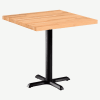
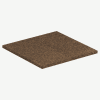
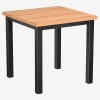
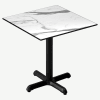

Restaurant Tables
Let Your Customers Dine In Style On Our Exquisite Restaurant Dining Tables
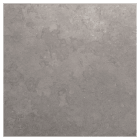
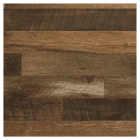
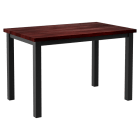

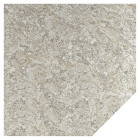
Popular Products
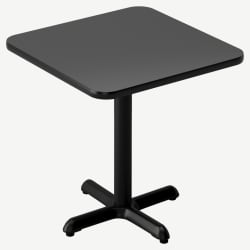
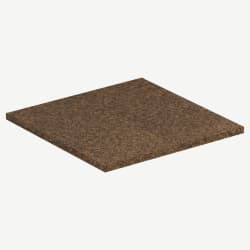
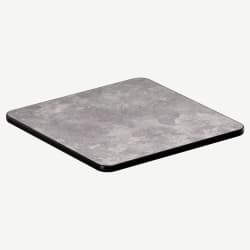
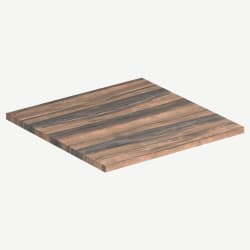
The Hidden Cost of Choosing the Wrong Restaurant Tables
Most restaurant owners don't think much about their tables until something goes wrong.
It usually starts with a wobble. A guest sets down a drink and notices it immediately. A server slides a folded napkin under one corner to stabilize the table, only to repeat the process later that night at another table. Before long, customers are frustrated, staff members are wasting time on quick fixes, and the dining experience suffers.
What's surprising is that the problem often isn't the table top itself. More often, it's a mismatch between the table top, the base, and the way the restaurant actually uses the furniture. A table that performs perfectly in a fast-casual café may struggle in a busy steakhouse where guests spend two hours dining over multiple courses, heavy plates, and bottles of wine.
Choosing the right restaurant table isn't just about appearance. It's about creating a comfortable guest experience while ensuring your furniture stands up to years of daily use. If you're starting your search, our restaurant tables buying guide, offers a complete overview of the options available.
Finding the Right Table Top Material
Every restaurant has different priorities, which is why table top materials vary so widely.
For full-service restaurants, steakhouses, and farm-to-table concepts, wood remains one of the most popular choices. Solid wood tops bring warmth, character, and a sense of quality that guests immediately notice. Oak, maple, and walnut continue to be favorites because they offer excellent durability while developing even more character over time. Many restaurant owners also gravitate toward butcher block table tops, which create a rustic, handcrafted look that fits naturally in breweries, barbecue restaurants, and casual dining spaces.
Restaurants focused on durability and easy maintenance often turn to laminate table tops. These surfaces provide excellent resistance to stains and daily wear while offering countless design possibilities. Whether you're matching an existing décor or creating an entirely new look, laminate makes it easy to achieve the right aesthetic without stretching your budget.
For high-volume operations, resin table tops take durability a step further. Their waterproof, scratch-resistant surfaces hold up exceptionally well under constant use and frequent cleaning, making them ideal for busy dining rooms where quick table turns are a priority.
Restaurants looking to create a modern industrial atmosphere often choose industrial table tops. Combining distressed finishes, reclaimed wood looks, and metal accents, these tops fit perfectly in breweries, taprooms, and urban restaurant concepts.
If you'd like to explore all available options, browse our complete collection of table tops by material, shape, and size.
Choosing the Right Size for Your Dining Room
Table size affects far more than seating capacity.
A table that's too small can make guests feel cramped, while oversized tables can waste valuable floor space and reduce overall seating capacity. Finding the right balance is essential for both comfort and profitability.
Most restaurant tables are designed at standard dining height, making them compatible with traditional restaurant seating. Smaller two-top tables work well in quick-service environments where efficiency matters, while larger rectangular and round tables provide flexibility for groups and family dining.
The shape of your tables also influences traffic flow. Round tables create a more open feeling and encourage conversation, while square tables can be combined easily to accommodate larger parties when needed.
Restaurants that use restaurant booths along perimeter walls should also pay close attention to table top sizing to ensure guests have adequate space without compromising aisle access for servers.
Matching Tables to Your Restaurant Concept
Not every restaurant requires the same type of table.
Fine-dining establishments typically benefit from heavier, more substantial surfaces that reinforce the upscale atmosphere. Casual dining restaurants often prefer practical materials that combine durability with easy maintenance. Fast-casual concepts generally focus on maximizing seating capacity while maintaining an attractive appearance.
Breweries, bars, and taprooms frequently choose industrial-style surfaces that can withstand heavy use while complementing their overall design. Banquet facilities and event venues often rely on folding tables because they can be stored efficiently and set up quickly for changing room configurations.
For restaurant owners looking for a simpler purchasing process, restaurant table sets eliminate the guesswork by pairing compatible tops and bases together.
Why the Table Base Matters Just as Much
When guests complain about unstable tables, the table top usually gets blamed.
In reality, the base is often responsible.
The right table base provides both stability and comfortable legroom. Heavy-duty cast iron bases are frequently chosen for larger tables because they offer exceptional support and reduce movement. Pedestal bases work beautifully beneath round and square tops, while larger rectangular tables often require specialized base configurations to distribute weight evenly.
Outdoor dining areas present their own challenges, which is why many restaurant choose outdoor table bases designed to resist rust and weather exposure.
Selecting the proper base size is critical. An undersized base may save money initially, but it can create stability issues that affect both guest satisfaction and safety. For additional guidance, visit our table bases guide.
Built for Commercial Use
Restaurant tables face a constant cycle of impact, movement, spills, and cleaning.
Commercial-grade tables are designed to withstand these demands through stronger construction methods, thicker core materials, and more durable finishes. The difference may not be visible at first glance, but it becomes obvious after years of use.
Laminate and resin surfaces generally require the least maintenance and can be sanitized quickly between guests. Wood surfaces require a bit more attention, but many restaurant owners and staff feel the appearance and warmth justify the extra care. Stone and granite surfaces provide impressive durability but should be protected from acidic spills that can damage the finish over time.
Regardless of material, routine maintenance helps extend the lifespan of both tops and bases while preserving their appearance.
Ordering Tables for a New Restaurant or Remodel
Planning ahead can make the entire purchasing process smoother.
Stock tables and table bases are often available for quick shipment, making them ideal for projects with tight timelines. Custom sizes, specialty finishes, and unique edge profiles typically require additional lead time but offer greater design flexibility.
Many restaurant owners choose to order a combination of table sizes throughout the dining room, creating a more flexible layout that can accommodate both small and large parties. Others prefer the simplicity of bundled table sets that ensure perfect compatibility between components.
For restaurants seeking something beyond standard options, custom furniture solutions provide additional opportunities to create a truly distinctive dining environment.
Bringing Your Dining Room Together
The most successful restaurant interiors feel intentional from every angle.
Your tables should complement your seating, not compete with it. Dark wood table tops pair naturally with matching restaurant chairs, while modern metal finishes can create a cohesive look when carried throughout the dining room.
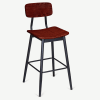
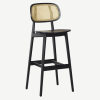
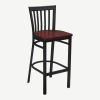
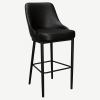
Bar areas should continue the same design language with coordinated bar stools, and restaurants that feature restaurant booths can create a seamless appearance by matching table top materials and finishes throughout the space.
These small design choices often have a bigger impact on guest perception than many restaurant owners and staff realize.
Why Seating Masters for Restaurant Tables
Every table top and table base we offer is built specifically for commercial environments. From impact resistance and finish durability to structural stability, every product is selected to enhance restaurant performance.
Browse our complete collection of restaurant tables, explore table tops by material and style, or shop convenient table sets. Complete your dining room with matching table bases, restaurant chairs, bar stools, booths, and patio furniture to create a space that's both practical and memorable.
- Solid wood tables are commonly used in high-end restaurants and bars, as they are durable and easy to maintain. However, they require regular maintenance to maintain their appearance.
- Veneer table tops offer the appearance and aesthetic of real wood while being more cost-effective and versatile.
- For high-traffic environments, laminate tables are a great choice as they are scratch-resistant and easy to maintain. We offer a plethora of laminate options from trusted brands like Wilsonart and Formica.
- Resin table tops are ideal for fast food and family-style restaurants as they are crafted with a mixture of resin and hardener for utmost durability.
- Stainless steel tables are popular in ice cream shops and patios due to their resistance to rust and corrosion. These tables are constructed with outdoor use in mind.
- Synthetic teak and Werzalit tops are made of high-density polyethylene and weather-resistant bonded wood, making them perfect for outdoor use with their UV and water-resistant properties.
Tips on Choosing Your Restaurant Tables
When selecting the right commercial table top, there are several tips to consider. First, evaluate the material of the table top. Each material has its own strengths and weaknesses, so think about factors like durability, maintenance requirements, and aesthetic appeal. Consider how much wear and tear it will experience, the level of maintenance needed, and the resistance required against stains, heat, and spills. For instance, if you own a busy family restaurant, it may be wise to choose a table top that is scratch-resistant, heat-resistant, and stain-resistant.
The table top should match the overall theme and atmosphere of your commercial space. Pay attention to the style, color, and texture to ensure it complements your decor and enhances the overall appearance of your business. Consider as well the ease of cleaning and maintenance for the table top. Some materials, like laminate and stainless steel, are easy to clean and require minimal upkeep. Conversely, wood may need special care and periodic sealing to maintain its beauty and longevity. Remember, investing in a high-quality and durable table top now can save you money in the long run by avoiding frequent replacements.
The seating capacity of a table is an important consideration for any commercial restaurant space. The size and shape of the table top will directly impact the number of people it can accommodate comfortably. Round tables typically seat fewer individuals compared to rectangular or square tables of the same size. However, round tables offer a more intimate setting.
On the other hand, square and rectangular tables are well-suited for large gatherings as they can easily seat a large number of people. When determining the appropriate size and shape for optimal seating capacity, it is crucial to consider the available space and the desired layout.
Frequently Asked Questions
How do I Choose the Right Table Top Material for my Restaurant?
Pick a surface that fits your look, stands up to daily use, and stays on budget. Consider your concept, traffic, cleaning routine, and whether it’s for indoor or outdoor use.
- Style fit: Modern - quartz/metal; cozy/rustic - wood; fast-casual - laminate/resin.
- Durability & care:
- Wood: warm, premium feel; needs upkeep and protection.
- Laminate/Resin: affordable, easy to clean; less of a “luxurious" look.
- Stone/Quartz/Sintered: very durable and heat-resistant; heavier and higher cost.
- Maintenance: Check sealing needs, heat/chemical resistance, and ease of repair.
- Budget & lifespan: Avoid overspending on looks alone, or buying too cheap and replacing soon. Aim for a top that works hard, looks great, and lasts.
How Durable are Laminate Table Tops Compared to Solid Wood Tops?
Laminate is built for busy restaurants, resists scratches, heat, and moisture; wipes clean; no sealing required. Downsides: can’t be sanded or refinished if damaged, and deep chips may show.
Solid wood offers a warm, premium look and can be refinished, but needs sealing and more care. Is susceptible to scratches, stains, and heat/water marks. Bottom line: Pick laminate for low-maintenance durability; pick wood if you want the natural look and don’t mind upkeep.
What is a Drop Leaf Table?
A drop leaf table is a versatile restaurant table featuring one or two hinged leaves supported by articulated legs or brackets. This design includes a fixed section in the center and leaf sections on either side. The hinges can be easily adjusted, allowing for the expansion of the table surface. By popping the hinges up square tables can be effortlessly transformed into round ones.
What Size Table Tops do I Need?
The table size you need will vary depending on the number of diners you want to seat. Below are a few examples for the various sizes:
- 2 Person: 24" round; 24" x 24" square; 24" x 30" rectangular.
- 4 Persons: minimum sizes range from 30" x 30" square to 36" round and 24" x 48" rectangle.
- 6-8 Person: minimum sizes range from 42" x 42" square to 48" round and 30" x 60" rectangle.
- For parties with 8 or more diners (although relatively uncommon), we recommend having a drop leaf table or the flexibility to combine several tables as needed.
How Much Space do I Need Between Tables?
For comfortable flow, leave 24–30 in between table edges so guests can sit and move easily. Keep server walkways at a minimum of 36 in, and main aisles at a minimum of 48 in during peak service. Against walls, allow at least 24 in from table edge to wall. Modular layouts and drop leaf tables help you reconfigure for larger parties without clogging pathways. Tip: Always confirm local code/ADA requirements for clear widths and turning areas.
To gain further insight and guidance on determining the appropriate spacing for your restaurant, we recommend consulting our comprehensive restaurant design guide, which provides valuable information on optimizing layout and design for the best customer experience.