

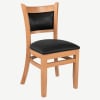
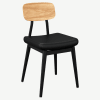
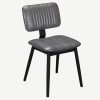
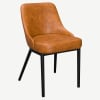
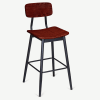
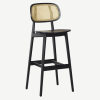
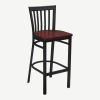
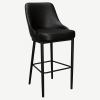

Restaurant Chairs
Keep Your Guests Comfortable With our Restaurant Dining Chairs

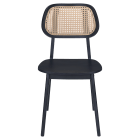
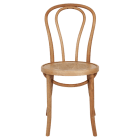
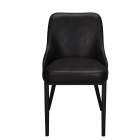
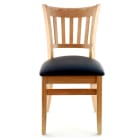
Popular Products
Why Buying the Wrong Restaurant Chairs Can Cost More Than You Think
When restaurant owners shop for furniture, the focus is often on upfront cost. Finding a lower-priced chair can feel like a smart way to stay within budget, especially during a new opening or renovation. But what many owners discover later is that cheap seating often becomes expensive seating.
Replacing restaurant chairs after a year or two doesn't just mean purchasing new furniture. It means dealing with shipping delays, disrupting operations while waiting for replacements, and potentially ending up with mismatched seating when the original model is no longer available. Worn-out glides can scratch flooring, loose joints can create safety concerns, and chairs that look tired can negatively impact the overall guest experience. We've spoken with restaurant owners who went through multiple sets of chairs before finally investing in commercial-grade seating, and nearly all of them shared the same conclusion: they wish they had purchased quality chairs from the start.
Commercial restaurant chairs are built to withstand the daily demands of high-traffic dining environments that residential furniture simply isn't designed to handle. In a busy restaurant, chairs are frequently moved, stacked, bumped by service carts, cleaned with commercial-grade sanitizers, and used by hundreds of guests each week. Investing in durable, commercial-quality seating from the start can help reduce replacement costs, extend the life of your furniture, and maintain a polished, professional appearance throughout your space. To explore different seating styles and options, browse our collection of restaurant chairs. For additional tips on selecting the best seating for your space, be sure to check out our comprehensive restaurant chair buying guide.
Choosing the Right Chair Material
One of the most important decisions you'll make is selecting the right chair material for your concept, service style, and customer expectations.
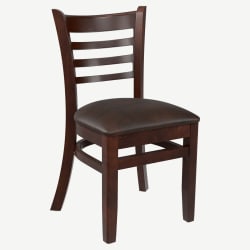
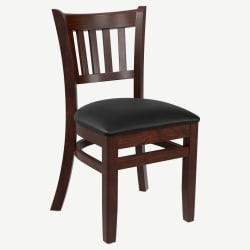
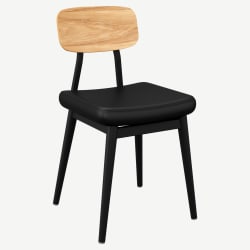
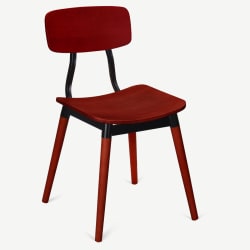
Wood restaurant chairs remain one of the most popular choices for full-service restaurants because they create a warm, inviting atmosphere that guests naturally associate with quality dining. Commercial wood chairs made from hardwoods such as beech, oak, or maple offer excellent durability when properly constructed. Features like mortise-and-tenon joinery, reinforced corner blocks, and catalyzed lacquer finishes help ensure these chairs stand up to years of daily use while maintaining their appearance.
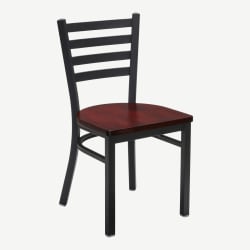
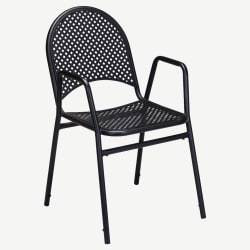
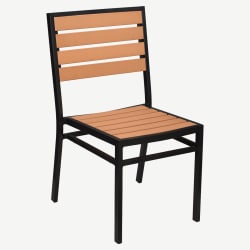
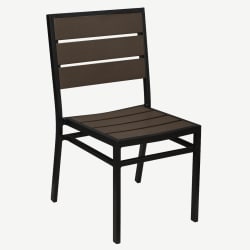
For restaurants that experience heavy traffic throughout the day, metal restaurant chairs are often the preferred option. Commercial steel frames can withstand constant movement, stacking, and daily wear without losing their structural integrity. Powder-coated finishes provide added protection against scratches, chips, and fading, making them ideal for fast-casual restaurants, coffee shops, breweries, and other high-volume operations. Many restaurant owners also appreciate the lightweight nature of metal chairs, which allows staff to quickly rearrange dining areas and simplify cleaning procedures.
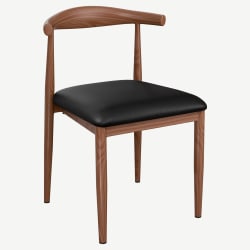
When guest comfort is a top priority, upholstered restaurant chairs offer an excellent solution. In dining environments where customers typically remain seated for extended periods, comfortable seating can enhance the overall experience and encourage guests to stay longer. Commercial-grade vinyl upholstery is particularly popular because it offers durability, easy cleaning, and resistance to spills. Fabric upholstery creates a softer and more upscale appearance but typically requires additional maintenance to preserve its look over time. High-density foam cushions help ensure that upholstered seating remains comfortable even after years of daily use.
Matching Chairs to Your Restaurant Concept
Different restaurant concepts benefit from different seating styles. Fine-dining establishments often rely on wood or upholstered chairs that feel substantial and elegant. Casual dining restaurants typically favor versatile wood or metal chairs that balance comfort with durability. Fast-casual concepts often prioritize stackable seating that allows staff to clean efficiently and reconfigure layouts when needed.
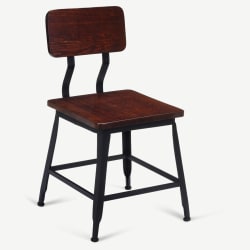
Industrial-style restaurants, breweries, and urban dining spaces frequently choose industrial restaurant chairs because they complement contemporary interiors while offering exceptional durability. Traditional diners often pair chrome frames with vinyl upholstery to create the classic look guests expect. In situations where seating arrangements must remain fixed, bolt-down chairs provide a secure solution that prevents movement and helps maintain consistent and secure layouts.
Getting Restaurant Chair Sizing Right
Even the highest-quality chair can create problems if it's not properly sized for your dining room.
Most standard dining chairs feature seat heights between 17”– 19”, making them compatible with standard restaurant tables that measure approximately 29” – 30” tall. Proper spacing is equally important. Guests need enough room to dine comfortably, while servers require adequate clearance to move efficiently throughout the restaurant.
Before placing a large order, it's also important to consider chair width, arm height, aisle spacing, and ADA accessibility requirements. Taking accurate measurements during the planning stage can help prevent costly mistakes later. For additional guidance on dining room layouts and seating density, visit our restaurant seating capacity guide.
Why Commercial Durability Standards Matter
Not all restaurant chairs are built to the same standards. Commercial seating should be capable of handling far more stress than residential furniture. Every day, chairs absorb repeated impacts from guests sitting down, shifting positions, leaning back, and moving around the dining room.
Many high-quality commercial chairs meet ANSI/BIFMA durability standards, which evaluate strength, stability, and long-term performance under simulated real-world conditions. For metal chairs, 18-gauge steel is widely considered the commercial benchmark, while heavier-duty models may use 16-gauge steel for additional strength. Wood chairs should feature reinforced joints, corner blocks, and mechanical fasteners that help maintain stability over years of use.
Keeping Restaurant Chairs Looking Their Best
Routine maintenance plays a major role in extending furniture lifespan.
Metal restaurant chairs are generally the easiest to maintain and can typically be cleaned using standard sanitizing products. Wood chairs should be cleaned with finish-safe products that protect the surface without causing damage. Vinyl upholstery handles daily cleaning exceptionally well, while fabric seating benefits from periodic deep cleaning to maintain its appearance.
One maintenance task that often gets overlooked is inspecting floor glides. Worn glides can create noise, cause chairs to wobble, and damage flooring surfaces. A simple quarterly inspection can help prevent expensive repairs and keep seating functioning properly.
Ordering Restaurant Chairs for Large Projects
Whether you're opening a new restaurant or replacing furniture throughout an existing location, planning ahead can save both time and money.
Many in-stock restaurant chairs ship within a few business days, making them ideal for projects with tight deadlines. Custom upholstery, specialty finishes, and modified dimensions generally require additional production time. If you're furnishing a large space, ordering your full quantity at once helps ensure consistency in finish and color since manufacturing batches can vary slightly over time.
Creating a Cohesive Dining Room Design
Restaurant chairs should work together with the rest of your furniture to create a unified appearance. Wood finishes should coordinate with your restaurant tables, while metal frame colors should complement table bases and surrounding design elements. If your restaurant uses restaurant booths, matching upholstery materials between booths and chairs helps create a more polished and professional look throughout the dining room. Extending those design choices into the bar area with coordinating bar stools further strengthens the overall aesthetic.
Choosing the Right Supplier
The best restaurant chairs combine durability, comfort, and style while meeting the demands of daily commercial use. At Seating Masters, every chair is built specifically for commercial environments, with reinforced construction, durable finishes, and weight ratings designed for restaurant traffic.
Browse our complete collection of restaurant chairs, including wood chairs, metal chairs, and upholstered chairs. You can also shop by style, including stack chairs, industrial chairs, arm chairs, diner chairs, and bolt-down chairs. When you're ready to complete your dining room, we also offer bar stools, restaurant tables, table bases, booths, and patio furniture.
Frequently Asked Questions
What is the Average Restaurant Chairs Seat Height?
The standard restaurant chair has a floor to seat height of 17 to 20 inches. This seat height allows guests to sit comfortably at a standard 30” height restaurant table.
How comfortable are restaurant chairs?
The comfort level of a chair depends on various factors like its design, construction, and materials used. Chairs designed for fast food locations are usually not as comfortable as chairs found in high-end dining establishments, as they prioritize practicality and ease of cleaning over comfort. However, when it comes to comfort, upholstered chairs and arm chairs are often considered the best options due to their sturdy construction, ample cushioning, and supportive armrests. These features contribute to a more relaxing and enjoyable sitting experience.
How many chairs do I need for my restaurant?
Determining the number of chairs that can fit in your restaurant requires careful consideration of several factors. These include the overall size and layout of the space, the type of chairs you plan to use, and any regulations or guidelines imposed by local authorities.
Begin by measuring the dimensions of your restaurant, including factors such as length, width, and any potential obstructions like pillars or bars. Through this process, you will gain a better understanding of the available floor area for seating.
Next, decide on the arrangement of tables and chairs that best suits your restaurant's concept and functionality. Consider both the comfort of your customers and the ability of your staff to move around efficiently. This includes ensuring there is enough space for pathways, entrances, exits, and aisles. By carefully considering these factors, you can determine the optimal number of chairs that can fit in your restaurant, providing both a comfortable and functional dining experience.
Can I see examples of your chairs in different settings?
At the bottom of our website's product pages we provide customer galleries showcasing our furniture in real restaurant settings. These galleries offer an immersive experience for visitors, allowing them to envision how our furniture can transform their own dining establishments. Additionally, we showcase restaurant installations that feature our furniture in various venue types, demonstrating its versatility and ability to seamlessly integrate into any restaurant concept. These installations serve as valuable examples of our furniture's quality and aesthetic appeal.