


Restaurant Dining Booths
Let Your Customers Experience Intimate Dining With Our Restaurant Booths
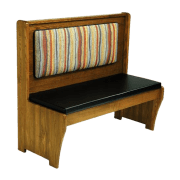
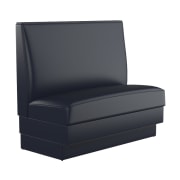
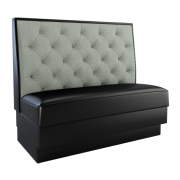
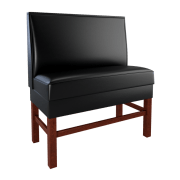
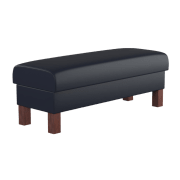
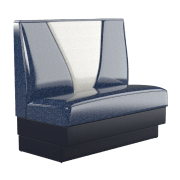
Popular Products
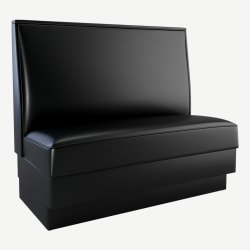
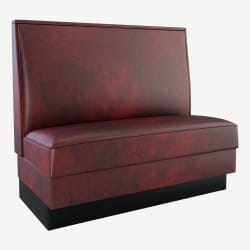
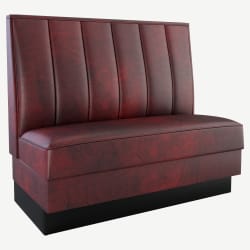
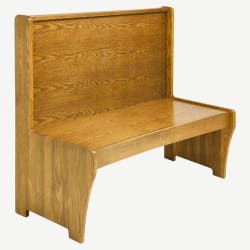
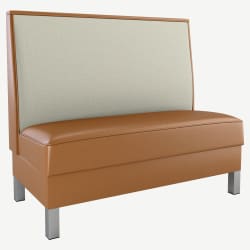
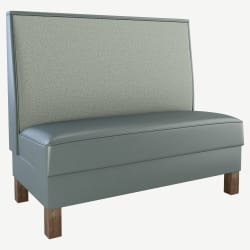
Why Guests Love Restaurant Booths and How to Choose the Right Ones
There is a reason booths are usually the first seats taken in a busy restaurant.
Guests like booths because they feel comfortable, private, and slightly tucked away from the noise and movement of the dining room. A booth gives people their own little space to relax, talk, and enjoy the meal without feeling like they are sitting in the middle of traffic.
For restaurant owners, booths offer another advantage: they make smart use of floor space. Compared with freestanding tables and chairs, booths can often seat more guests in the same area while creating a cleaner, more organized layout. They also tend to last longer than individual chairs because they are not dragged across the floor, stacked after service, or moved around every night.
Choosing the right restaurant booths comes down to matching the booth style, upholstery, size, and construction to the way your restaurant actually operates. For a deeper look at the process, read our guide to choosing restaurant booths.
Choosing the Right Booth Style
Different booth styles create different dining experiences
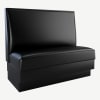
Standard booths are a reliable choice for family restaurants, diners, casual dining rooms, and neighborhood cafés. They are practical, space-efficient, and familiar to guests. A standard double booth can seat four people comfortably while sharing a frame between two seating sections, which helps save space and reduce overall furniture costs.
For restaurants that need booths quickly, quick-ship booths are often the best solution. These booths are available in popular sizes and finishes, making them ideal for new restaurant openings, remodels, or replacing worn seating without waiting weeks for production.
When a dining room has an unusual layout, custom booths offer the flexibility needed to make every inch count. Custom booths allow you to choose the exact length, depth, height, upholstery, and base finish. They are especially useful for restaurants with curved walls, columns, tight corners, or layouts where standard booth sizes would leave awkward gaps.
For bars, breweries, and sports-focused concepts, bar-height booths create a more energetic atmosphere. These booths bring the elevated feel of the bar into the dining room and work well when you want a consistent look between bar seating and table seating.
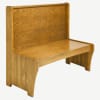
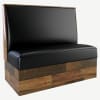
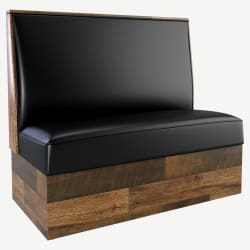
Restaurants with rustic, farmhouse, or craft-beer interiors often benefit from wood booths. Their exposed hardwood look adds warmth and character, while the durable surface makes cleaning simple. In waiting areas, waiting benches give guests a comfortable place to sit without taking up as much room as full dining booths.
For classic American diners, diner booths deliver the look instantly. Chrome accents, bold vinyl colors, and retro styling help create the nostalgic atmosphere guests expect before the menu even arrives.
Upholstery and Back Styles
Upholstery plays a major role in how a booth looks, feels, and performs.
Vinyl remains the most popular choice for commercial restaurant booths because it is durable, easy to clean, and built for constant use. In busy restaurants where guests slide in and out all day, commercial-grade vinyl holds up well against spills, sanitizing, and daily friction.
Fabric creates a softer, more upscale look and works beautifully in fine-dining rooms, hotel restaurants, and lounges. It does require more maintenance than vinyl, but it can make the dining room feel warmer and more elegant.
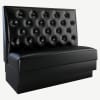
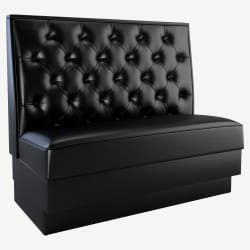
The back style also changes the personality of the booth. Channel-back booths feel clean and modern. Button-tufted booths create a more elegant, upscale impression. Smooth-back booths are simple, practical, and easy to maintain, making them a smart option for high-traffic restaurants.
Getting Booth Measurements Rights
A booth has to look good, but it also has to feel right.
Seat height, seat depth, back height, and table width all affect guest comfort. Standard booth seating usually pairs with a 30” table, creating a familiar dining height that works well with most layouts. Lower backs keep a room feeling open and casual, while taller backs add privacy and help reduce noise between tables.
Booths also need to made in an accessible way. Restaurants should include accessible seating options that provide proper knee clearance, table height, and easy access for guests. Getting these details right before ordering helps avoid expensive layout problems later.
Matching Booths to Your Restaurant Concept
The best booth style depends on the kind of experience you want guests to have.
Family restaurants and casual dining rooms usually do well with durable vinyl booths that can be cleaned quickly between turns. These spaces need seating that feels comfortable but can also handle spills, kids, high traffic, and fast table resets.
Fine-dining restaurants and steakhouses often choose taller, more substantial booths with richer upholstery or tufted details. These booths help create a more private, relaxed experience where guests feel encouraged to settle in and enjoy a longer meal.
Diners and breakfast restaurants are a natural fit for retro-style diner booths. Bright vinyl, chrome trim, and classic booth shapes help reinforce the nostalgic feel that makes these concepts memorable.
Sports bars and breweries often benefit from bar-height booths, especially when the space already includes high-top tables or elevated seating near TVs. This style keeps the room feeling lively and connected to the bar area.
Rustic restaurants, barbecue spots, and farm-to-table concepts often lean toward wood booths because they match the natural materials already used throughout the space. Wood booths also bring a sturdy, straightforward look that feels right at home in casual, character-driven interiors.
In entry areas, waiting benches help organize traffic and keep guests comfortable while they wait for a table. Instead of having people crowd the host stand or doorway, benches create a more welcoming first impression.
What Makes a Booth Last
A booth that looks good on opening day should still look good years later.
Long-lasting restaurant booths start with strong internal construction. Hardwood frames, reinforced joints, quality seat platforms, and commercial-grade foam all make a difference. Foam density is especially important because low-quality foam can flatten quickly, leaving seats uncomfortable and worn-looking.
The upholstery should also be built for commercial use. Seams, trim, and high-contact areas need to withstand constant sliding, leaning, cleaning, and daily wear. Details like reinforced backs, solid base panels, and protective trim can help extend the life of the booth and keep it looking professional.
Cleaning and Maintenance
Booths are easier to maintain when the right material is chosen from the start.
Vinyl booths can usually be wiped down quickly after each table turn, making them a practical option for busy restaurants. Fabric booths need more regular care, including stain protection and scheduled deep cleaning. Wood booth frames should be inspected periodically for loose fasteners or worn finish, especially along edges that guests touch frequently.
The most important areas to watch are the seams and the point where the seat meets the backrest. These high-stress areas experience the most movement and are often the first places to show wear.
Ordering Booths for Your Restaurant
Timing matters when ordering restaurant booths.
Quick-ship booths are a good option when you need seating fast, while custom booths require more planning because of the added production time. If you are ordering booth tables as well, it is best to coordinate them with the booths so the height, width, and spacing work together properly.
For larger dining rooms, ordering all booths at once helps maintain a consistent look across upholstery, finish, and construction. It also makes the installation process smoother and helps avoid mismatched seating later.
Creating a Cohesive Dining Room
Booths should feel connected to the rest of your restaurant furniture.
If your booths use dark vinyl, matching that material on your restaurant chairs can help the room feel unified. Tabletops in the booth area should coordinate with the restaurant tables in the center of the dining room. The same idea applies to bar stools and table bases, which should share similar finishes or design details whenever possible.
When everything works together, the dining room feels intentional instead of pieced together.
Why Seating Masters for Booths
Every booth on our site is built for commercial use, from the frame and foam to the upholstery and reinforced seams. Whether you need standard seating, custom dimensions, or help matching booths to your floor plan, our team can help you find the right fit.
Browse the full restaurant booths collection, or shop by type, including quick-ship booths, custom booths, bar-height booths, wood booths, waiting benches, and diner booths. When you are ready to complete the rest of your space, we also carry restaurant chairs, bar stools, tables, table bases, and patio furniture.
- Single Booth– One booth bench. Sits up to two people comfortably side by side.
- Double Booth – Sits up to 4 people with 2 people sitting side by side and 2 more back-to-back.
- ½ Circle Booth – Standard dimensions are 48” x 90” x 48”. Can seat 4 people.
- ¾ Circle Booth – Standard dimensions of 48” x 90” x 90” x 48” can seat 6 people.
- Wall Bench – Available in various lengths, this booth is usually paired with restaurant table-and-chair sets allowing for comfortable seating and enough isle room for servers
- L-Shape Booth – Mostly used in corners and allows for optimal use of space.
- Deuce Single Booth – Similar to that of a single booth but measures 30” instead of 48” long. Known as a single person booth (sits 1 person).
- Deuce Double Booth – Measures 30” long, in contrast to the standard double booth’s 48” length. Allows two people to sit back-to-back.
Space Considerations When Choosing Booths for Your Restaurant
Smaller venues: When it comes to optimizing space in a small restaurant or café, wall benches or single and double booths are ideal options. Choosing single restaurant booth seats and positioning them against a wall is a smart way to make the most of limited walking space. By doing so, you can still provide comfortable seating for your customers without sacrificing their ability to move around.
Additionally, combining wall benches with restaurant chairs allows you to save even more space and accommodate more clients in comfort. If your establishment experiences high traffic, investing in a double booth is a wise decision. The back-to-back benches of a double booth can efficiently seat more people, helping you make the most of your available space ensuring the comfort and satisfaction of your customers.
Large venues: Busier and larger restaurants require seating options that can accommodate large parties while still providing comfort and convenience. Custom booths, such as half circle or three quarters circle booths, are an excellent choice in these scenarios. These booth designs allow for more people to be seated in a given space, making them ideal for venues with high foot traffic and large crowds. By opting for custom booths, large venues can ensure that they are providing comfortable and spacious seating for their customers, contributing to an overall positive experience for all guests.
Frequently Asked Questions
What are the Advantages of Using Booths in My Restaurant?
In the restaurant industry, booths have emerged as the preferred seating option for many customers due to their comfort and privacy features. With padded seats and backs, booths offer a heightened level of relaxation that enhances the overall dining experience. Additionally, booths provide a sense of privacy, allowing customers to enjoy their meals without distractions. Their practical design also allows for greater seating capacity by utilizing available space more effectively. By incorporating booths into their seating arrangements, restaurants can cater to customer preferences while optimizing their seating potential.
Are Booths or Tables Better for Maximizing Seating Capacity?
Both when used smartly. Perimeter booths/banquettes (wall benches or back-to-back runs) usually seat more guests per square foot because they remove chair pull-back zones and share aisles. Rule of thumb: plan 22–24″ per diner on a bench; back-to-back booths need about 48 - 52″ total depth; wall bench with 24 - 30″ tables is very space-efficient.
In the room center, use small 2 people tops (24×24 or 24×30) that you can push together for flexibility. Best mix for capacity and agility: booths on the perimeter, 2 people tops in the middle, a few 4 people tops for families. Keep aisles at at least 36″ width (main aisles at least 48″) and include ADA-compliant tables.
How Much Space is Required for a Restaurant Booth?
In order to provide optimal seating arrangements, it is advised to maintain a minimum spacing of 70" between booths placed in a facing configuration. This spacing accounts for the inclusion of a 24" wide table between the booths. However, it is important to recognize that wider tables will require a greater amount of spacing between the booths to ensure comfortable and functional seating arrangements.
What Materials are Used in Making Restaurant Booths?
Restaurant booths are typically crafted from sturdy wood, incorporating elements such as springs and high-density foam to guarantee a comfortable seating experience. The upholstery, whether in fabric or vinyl, adds a touch of sophistication to these booths. Some variations offer a fully padded and upholstered design, while others feature a partially padded back or an un-padded wood seat and back, catering to different aesthetic and functional requirements.
How Big is a Restaurant Booth?
The dimensions of a standard single booth are typically 48" in length and 24" in depth, providing a compact yet comfortable seating solution for individuals. To cater to larger groups or individuals seeking a more spacious option, a double booth offers a length of 48" and a depth of 49". Please note that the exact dimensions may vary depending on the specific type of booth that is selected.