


Restaurant Bar Stools
Upgrade Your Bar Seating With Our Stylish Restaurant Bar Stools
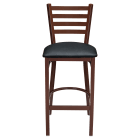
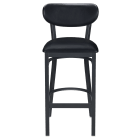
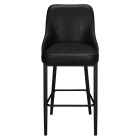
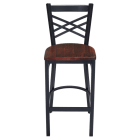
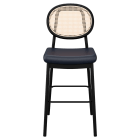
Popular Products
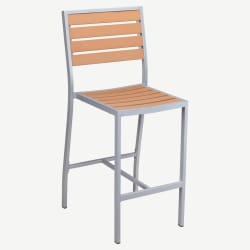
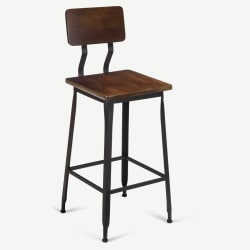
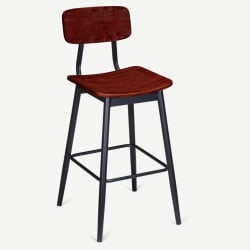
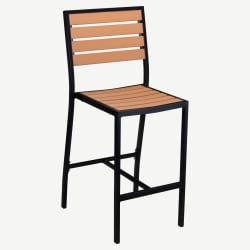
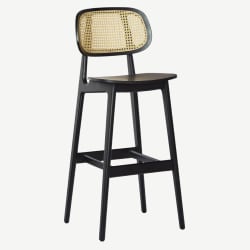
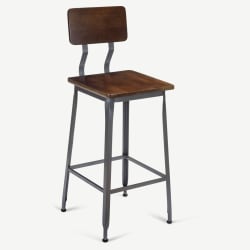
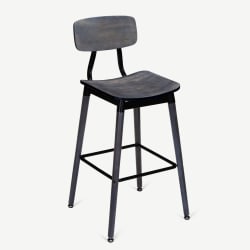
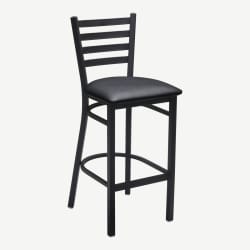
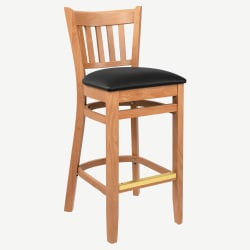
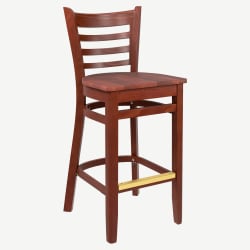
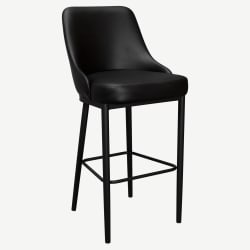
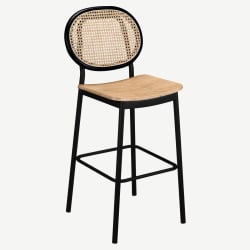
Restaurant Bar Stools: The Most Overworked Seat in Your Restaurant
Few pieces of restaurant furniture work harder than a bar stool.
Unlike dining chairs, bar stools deal with constant movement from every direction. Guests lean back on them, spin around to join conversations, rest their full weight on the footrests, and shift positions throughout their stay. In a busy restaurant or bar, a single stool can endure hundreds of these movements every week. That's why choosing the wrong bar stool often becomes an expensive mistake.
What starts as a minor wobble can quickly turn into loose joints, damaged swivel mechanisms, or cracked welds. Before long, stools are being removed from service during peak hours, creating gaps at the bar and disrupting the customer experience. Replacing a few stools at a time may seem like a practical solution, but it often leaves restaurant owners with mismatched finishes, varying seat heights, and a bar area that feels inconsistent and unfinished.
Selecting the right commercial bar stool from the beginning helps avoid those headaches. It starts with choosing the proper frame material and seat height, then matching features like swivel functionality, back support, and armrests to the way your guests actually use the space. If you're looking for a deeper dive into the buying process, our barstools buying guide covers everything in detail.
Choosing the Right Bar Stool Material
The material you choose plays a major role in durability, comfort, maintenance, and overall appearance.
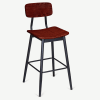
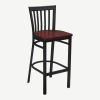
For many restaurants, breweries, and high-volume establishments, metal bar stools remain the most practical choice. Commercial steel frames are designed to handle years of daily use while maintaining their structural integrity. Powder-coated finishes help resist scratches, chips, and wear caused by constant traffic, making them especially popular in busy environments. Many modern concepts also embrace the look of industrial bar stools, whose raw steel and brushed-metal finishes pair perfectly with exposed brick, concrete floors, and open-ceiling designs.
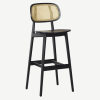
Wood bar stools offer a completely different feel. They bring warmth and character to a bar area while creating a more inviting atmosphere for guests. Commercial-grade beech and oak remain popular because they can withstand the side-to-side stress that bar seating experiences night after night. The strongest models feature reinforced rung construction and heavy-duty joinery that helps prevent loosening over time. For restaurants aiming to capture a nostalgic feel, retro bar stools combine wood, chrome, and vinyl elements to create a timeless diner-inspired look.
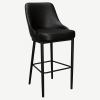
Comfort becomes increasingly important when guests spend extended periods at the bar. That's where upholstered seating shines. Commercial vinyl upholstered bar stools continue to be a favorite because they handle frequent cleaning, spills, and daily wear exceptionally well. Quality foam cushioning helps maintain its shape even after years of use, ensuring guests remain comfortable throughout their visit. In venues where patrons often stay for multiple rounds of drinks or lengthy conversations, arm bar stools can add an extra layer of comfort and support.
Finding the Right Height
One of the most common mistakes restaurant owners make is ordering the wrong stool height.
The difference between a comfortable guest experience and an awkward one often comes down to a few inches. Counter-height stools typically work best with counters measuring 34”- 36” high, while traditional bar-height stools pair with bars measuring 40”- 42”. Sports bars and entertainment venues sometimes use extra-tall seating in elevated viewing areas where guests need a better vantage point.
A simple rule helps prevent mistakes: leave approximately 10” - 12” between the seat and the bar surface. This creates enough room for guests to sit comfortably while eating, drinking, and socializing.
Swivel or Stationary?
The swivel-versus-stationary debate largely depends on how guests interact with your space.
Swivel stools have become a staple in cocktail lounges, neighborhood bars, and hospitality venues because they allow guests to turn naturally toward conversations, televisions, or bartenders without dragging the stool across the floor. High-quality commercial swivel mechanisms are designed to withstand years of daily rotation and movement.
Stationary stools offer simplicity and durability. With fewer moving parts, there's less opportunity for mechanical failure. They're often the preferred choice for quick-service restaurants, coffee bars, and counter-service operations where guests tend to stay for shorter periods. Many restaurant owners and staff also appreciate how backless bar stools slide neatly beneath the counter, creating a cleaner look and making floor maintenance easier.
Matching Bar Stools to Your Concept
The best bar stool isn't necessarily the most expensive option. It's the one that complements your restaurant's atmosphere and customer experience.
Upscale cocktail bars often benefit from padded swivel stools with supportive backs that encourage guests to linger. Sports bars frequently use taller spectator seating positioned near large screens and entertainment areas. Breweries and taprooms often gravitate toward rugged industrial bar stool designs that align with their casual aesthetic.
Fast-casual restaurants usually prioritize durability and efficiency, making stationary seating an attractive choice. Outdoor dining areas require specialized patio bar stools designed to withstand changing weather conditions. In high-traffic venues where crowd control is important, bolt-down bar stools provide a secure solution by remaining permanently anchored in place.
Why Commercial Construction Matters
Bar stools experience significantly more stress than standard dining chairs, making commercial-grade construction essential.
Quality bar stools undergo rigorous testing to evaluate stability, impact resistance, and long-term durability. A commercial stool should comfortably withstand the demands of daily restaurant use while maintaining its appearance and structural integrity.
For metal models, weld quality and frame construction are critical. For wood bar stools, reinforced joints and durable rung systems help prevent premature failure. Swivel stools require additional attention because the rotating mechanism must be capable of handling thousands of cycles without developing looseness or resistance.
Keeping Bar Stools Looking Their Best
A little maintenance goes a long way toward extending the life of your seating investment.
Metal stools are generally simple to clean and maintain, requiring only routine sanitizing and occasional inspection. Wood stools benefit from regular cleaning with finish-safe products that help preserve the surface over time. Because bar stools experience constant side-to-side movement, it's wise to periodically check hardware and connections to ensure everything remains secure.
Swivel mechanisms should also be inspected regularly to maintain smooth operation. Replacing worn floor glides before they fail can help prevent damage to flooring while keeping stools stable and quiet during service.
Ordering for Long-Term Success
Whether you're opening a new location or refreshing an existing bar area, planning ahead can save time, money, and frustration.
In-stock bar stools often ship quickly, making them ideal for projects with tight timelines. Custom finishes and upholstery options generally require additional lead time, but they can help create a truly unique space. Many restaurant owners also order additional stools beyond their immediate seating needs, ensuring matching replacements are available if future damage occurs.
For larger projects, volume pricing can make it more affordable to outfit the entire bar area at once while maintaining consistency throughout the space.
Creating a Cohesive Look
Bar stools should feel like a natural extension of the rest of your furniture.
If your dining room features restaurant chairs with black metal frames, carrying that finish into the bar area helps create visual consistency. Upholstery materials should complement nearby seating, while bar-height tables should coordinate properly with stool height.
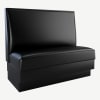
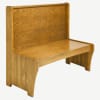
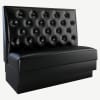
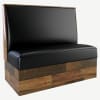
Restaurants that incorporate restaurant booths can further unify the space by selecting stool upholstery that echoes booth colors and materials. Small design decisions like these often make the difference between a space that feels assembled and one that feels thoughtfully designed.
Why Seating Masters for Bar Stools
Every bar stool in our collection is built specifically for commercial environments. From reinforced frames and durable finishes to heavy-duty swivel mechanisms and upholstery options, these products are designed to perform in busy restaurants.
Explore our complete collection of bar stools, or shop by material including metal, wood, and retro styles. You can also browse by feature, including swivel, backless, bolt-down, counter stools, industrial, and arm stools. When you're ready to furnish the rest of your restaurant, we also offer restaurant chairs, restaurant tables, table bases, booths, and patio furniture.
Frequently Asked Questions
What is the difference between bar stools and counter stools?
The distinction between bar stools and counter stools is rooted in their respective designs. Bar stools are crafted with a taller and more slender appearance, suited for the elevated counter or bar top they accompany. This often includes longer legs or a taller backrest, providing both support and visual balance. On the other hand, counter stools are designed to be shorter and sturdier, with a lower backrest, making them ideal for standard kitchen or counter height. The variance in design ensures that both types of stools appropriately match their intended use, offering both style and functionality.
Are all bar stools the same dimensions?
Not all bar stools are the same dimensions. They can vary in height, width, and depth based on the design, style, and intended use. Generally, bar stools come in similar heights, between 42” and 44” high. In terms of width and depth, they can differ depending on the style and comfort level desired. Some bar stools have narrow seats while others are wider, and the depth of the seat can also vary. Additionally, the backrest and armrest designs can impact the overall dimensions of the stool. Therefore, it's important to consider the specific dimensions and measurements of a bar stool before purchasing to ensure it fits your needs and available space.
Can you use bar stools at a counter?
Bar stools and counter stools have distinct differences that should be considered when selecting seating options. Although it is possible to use a bar stool at a counter, it is essential to note that the height discrepancy may lead to discomfort for patrons, possibly resulting in them having to sit awkwardly. To ensure an enjoyable seating experience, it is important to have counter stools and bar height tables that are compatible with each other, allowing for seamless integration and optimal comfort for patrons.